Just say NO?
Hat-tip to Richard Nikoley for posting the following video by Richard Weller, which I am posting as an embedded YouTube video rather than a Vimeo one, as YouTube gives me fewer problems.
Take-away message: Deaths from heart disease are 100 times higher than deaths from skin cancer (because the vast majority of skin cancers are benign).
Tampilkan postingan dengan label Heart attack. Tampilkan semua postingan
The latest "wonder" drugs.
You may have read Aspirin 'cuts cancer death risk by 37 per cent'. 37 per cent, I tell ya!
Or even The £1.40 heart pill lifesaver: 10,000 patients a year could be saved by newly-licensed drug. Ivabradine cuts heart failure deaths by 39 per cent. 39 per cent, I tell ya!
Impressive, huh? Well, not really.
If you read Vitamin D and calcium supplementation reduces cancer risk: results of a randomized trial, you'll see that, taking the results from years 2 to 5 inclusive (to eliminate women who had cancer before the start of the study), there's a 77 per cent reduction in cancer deaths in the intervention group. Funny how that fact isn't trumpeted in the press.
If you read Dietary Intake of Menaquinone Is Associated with a Reduced Risk of Coronary Heart Disease: The Rotterdam Study, you'll see that a modest intake (greater than 32.7ug/day) of Vitamin K2 is associated with a 57 per cent reduction in heart attack deaths. There are far more heart attacks than heart failures. Funny how that fact isn't trumpeted in the press.
Or even The £1.40 heart pill lifesaver: 10,000 patients a year could be saved by newly-licensed drug. Ivabradine cuts heart failure deaths by 39 per cent. 39 per cent, I tell ya!
Impressive, huh? Well, not really.
If you read Vitamin D and calcium supplementation reduces cancer risk: results of a randomized trial, you'll see that, taking the results from years 2 to 5 inclusive (to eliminate women who had cancer before the start of the study), there's a 77 per cent reduction in cancer deaths in the intervention group. Funny how that fact isn't trumpeted in the press.
If you read Dietary Intake of Menaquinone Is Associated with a Reduced Risk of Coronary Heart Disease: The Rotterdam Study, you'll see that a modest intake (greater than 32.7ug/day) of Vitamin K2 is associated with a 57 per cent reduction in heart attack deaths. There are far more heart attacks than heart failures. Funny how that fact isn't trumpeted in the press.
Warning signs to look out for when a heart attack is coming.
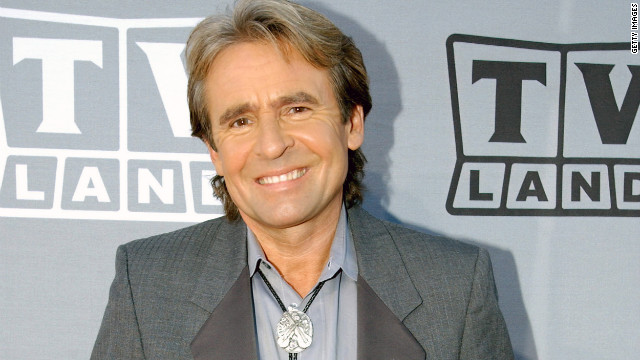
R.I.P. Davy Jones. I sang "Daydream Believer" at karaoke two nights running as a tribute.

The article Davy Jones Dead: Warning Signs to Look Out for When a Heart Attack is Coming caught my attention.
"At 66, Davy Jones appears to be living a healthy life. He was a vegetarian. He goes on a regular morning run. He was not just a horse owner but also a rider. Davy Jones seems to be generally fit and healthy to succumb to a deadly heart attack."
He's like H. Jay Dinshah, who also died of a heart attack at the age of 66. I strongly advise vegetarians & vegans to watch "Dr Greger: 2003 - Optimum Vegetarian Nutrition - Omega 3 and B12"
The article Davy Jones Dead: Warning Signs to Look Out for When a Heart Attack is Coming caught my attention.
"At 66, Davy Jones appears to be living a healthy life. He was a vegetarian. He goes on a regular morning run. He was not just a horse owner but also a rider. Davy Jones seems to be generally fit and healthy to succumb to a deadly heart attack."
He's like H. Jay Dinshah, who also died of a heart attack at the age of 66. I strongly advise vegetarians & vegans to watch "Dr Greger: 2003 - Optimum Vegetarian Nutrition - Omega 3 and B12"
Vitamin K
After Vitamin D, Vitamin K will be the "next big thing" you hear about in the media. Why? Just Google "Vitamin K" and see what comes up. At the top of the list is good ol' Wikipedia.
Vitamin K used to be thought of as only the blood clotting vitamin. Some new-borns have to be given Vitamin K injections to ensure proper clotting. However, Vitamin K is needed for the carboxylation of osteocalcin in Bone Matrix Gla Proteins. The what of what in what? In simple terms, Vitamin K is needed to ensure that dietary calcium goes into your bones, rather than into your artery walls, kidneys, brain etc. A lack of Vitamin K can cause osteoporosis. To prevent/treat osteoporosis, either Vitamin K1 (phylloquinone) or Vitamin K2 (menaquinone or menatetrenone) will do.
I used 15mg/day of K2 (plus 1.5g/day of Ca plus 400mg/day of Mg plus ~1,000iu/day of D3) to reverse osteoporosis in my lumbar spine (bone density by DEXA went from -2SD to 0SD) in 3 years.
However, only Vitamin K2 is effective at removing calcium from the media of artery walls. In The Rotterdam Study, "The relative risk (RR) of CHD mortality was reduced in the upper tertile of dietary menaquinone (K2) compared to the lower tertile (RR 0.43, 95% CI: 0.24, 0.77). Phylloquinone (K1) intake was not related to any of the outcomes." An RR of 0.43 means, on average, a 57% reduction in heart attack deaths. I've now put K2 in Cholesterol & Coronary Heart Disease.
Vitamin K2 is required for brain health. See Look after your brain.
Vitamin K2 is required for glucose disposal. See Vitamin K₂ prevents hyperglycemia and cancellous osteopenia in rats with streptozotocin-induced type 1 diabetes and Vitamins D and K as Pleiotropic Nutrients.
Good food sources of Vitamin K2 can be found here.
Warfarin antagonises Vitamin K, so it can result in arterial calcification. Anyone taking warfarin should ask their GP for regular check-ups to keep an eye on this potential problem.
Vitamin K used to be thought of as only the blood clotting vitamin. Some new-borns have to be given Vitamin K injections to ensure proper clotting. However, Vitamin K is needed for the carboxylation of osteocalcin in Bone Matrix Gla Proteins. The what of what in what? In simple terms, Vitamin K is needed to ensure that dietary calcium goes into your bones, rather than into your artery walls, kidneys, brain etc. A lack of Vitamin K can cause osteoporosis. To prevent/treat osteoporosis, either Vitamin K1 (phylloquinone) or Vitamin K2 (menaquinone or menatetrenone) will do.
I used 15mg/day of K2 (plus 1.5g/day of Ca plus 400mg/day of Mg plus ~1,000iu/day of D3) to reverse osteoporosis in my lumbar spine (bone density by DEXA went from -2SD to 0SD) in 3 years.
However, only Vitamin K2 is effective at removing calcium from the media of artery walls. In The Rotterdam Study, "The relative risk (RR) of CHD mortality was reduced in the upper tertile of dietary menaquinone (K2) compared to the lower tertile (RR 0.43, 95% CI: 0.24, 0.77). Phylloquinone (K1) intake was not related to any of the outcomes." An RR of 0.43 means, on average, a 57% reduction in heart attack deaths. I've now put K2 in Cholesterol & Coronary Heart Disease.
Vitamin K2 is required for brain health. See Look after your brain.
Vitamin K2 is required for glucose disposal. See Vitamin K₂ prevents hyperglycemia and cancellous osteopenia in rats with streptozotocin-induced type 1 diabetes and Vitamins D and K as Pleiotropic Nutrients.
Good food sources of Vitamin K2 can be found here.
Warfarin antagonises Vitamin K, so it can result in arterial calcification. Anyone taking warfarin should ask their GP for regular check-ups to keep an eye on this potential problem.