Tampilkan postingan dengan label Depression. Tampilkan semua postingan

Depression: The similarity between magnesium and ketamine in inducing amnesia for bad memories.

Here's a 2D-skeletal model of the ketamine molecule.
From http://commons.wikimedia.org/wiki/Main_Page

Thanks to Emily Deans for bringing Ketamine, magnesium and major depression – From pharmacology to pathophysiology and back to my attention some time ago, in a Tweet.

"The link to the pathophysiology of depression is not clear. An overlooked connection is the role of magnesium, which acts as physiological NMDA-receptor antagonist:

1. There is overlap between the actions of ketamine with that of high doses of magnesium in animal models, finally leading to synaptic sprouting.

2. Magnesium and ketamine lead to synaptic strengthening, as measured by an increase in slow wave sleep in humans.

3. Pathophysiological mechanisms, which have been identified as risk factors for depression, lead to a reduction of (intracellular) magnesium. These are neuroendocrine changes (increased cortisol and aldosterone) and diabetes mellitus as well as Mg2+ deficiency.

4. Patients with therapy refractory depression appear to have lower CNS Mg2+ levels in comparison to health controls.

5. Experimental Mg2+ depletion leads to depression and anxiety-like behavior in animal models.

6. Ketamine, directly or indirectly via non-NMDA glutamate receptor activation, acts to increase brain Mg2+ levels. Similar effects have been observed with other classes of antidepressants.

7. Depressed patients with low Mg2+ levels tend to be therapy refractory. Accordingly, administration of Mg2+ either alone or in combination with standard antidepressants acts synergistically on depression like behavior in animal models.

I'm wondering whether the amnesia for vivid dreams (if you wake up in the middle of one) is mediated by magnesium, as amnesia is a ketamine-like effect.

Therefore, a deficiency in magnesium may cause bad memories to linger, increasing the risk factor for situational depression.

See also Ketamine, and Mechanisms underlying differential effectiveness of memantine and ketamine in rapid antidepressant responses.

Back to black, CIAB, pharmaceutical drug deficiencies & nerds.

First, a song by someone who should be alive, but isn't...

The above video was inspired by a Facebook friend who had an accident with Schwartzkopf black hair dye and spent ages getting the stains off her skin. You know who you are!

I may have mentioned that nutrient deficiencies can adversely affect mental (and/or other) function. Nowadays, many people live on a diet of Crap-In-A-Bag (CIAB). There's just enough essential amino acids (EAAs), essential fatty acids (EFAs), minerals & vitamins to keep their bodies alive. However, Alive ≠ Working properly.

To compensate for one (or more) nutrient deficiencies, many people are prescribed one (or more) pharmaceutical drugs to tweak how their brains work e.g. fluoxetine, citalopram/escitalopram, venlafaxine, quetiapine, risperidone, valproate etc. There are no pharmaceutical drug deficiencies!

There are people who suffer from mental (and/or other) illnesses, despite having diets & lifestyles that provide sufficient amounts of all nutrients. This post isn't about them. There are people who suffer from depression due to traumatic & inescapable events/situations. This post isn't about them, either.

Finally, nerds! We nerds love to compile information. For an interesting interview with a top compiler of useful information, see Examine's Supplement Goals Reference Guide.

For an excellent article with a mere 148 references, see Why Calories Count. To sum up:-

Where body weight is concerned, calories count (but don't bother trying to count them).
Where body composition is concerned, partitioning counts.
Where health is concerned, macronutrient ratios, EFAs, minerals, vitamins & lifestyles count.

N.B. Poor health can adversely affect body weight and/or body composition, by increasing appetite and/or by adversely affecting partitioning.

Continued on Chow on chow, Parkinson's Law, two ways of doing something, and love.

We are all just prisoners here, of our own device.

If you don't recognise the words in the title, here's the classic song from which they came.


An increasing number of people are becoming like birds in gilded cages. See The perfect crime.
"What's fascinating is this: the marketing is so powerful that some of the people being hurt actually are eager for it to continue. This creates a cultural feedback loop, where some aspire to have these respected marketing jobs, to do more marketing of similar items. It creates a society where the owners and leaders of these companies are celebrated as risk-taking, brave businesspeople, not as the modern robber barons that they've become."

Did I ever mention?...

Get in! Parts 2 & 3.

In Get in!, I described how I persuaded mum's GP to let mum have Vitamin D3 5,000iu/day.

Well...

Today, I persuaded mum's GP to let mum have Epsom Salts 2.5g/day (provided by me) dissolved in fruit juice and Seven Seas Fish Oil 10ml/day (provided by me). There's only one possible reaction:-


P.S. The doctor didn't even ask for supporting evidence. He just said "Yeah, other relatives do that. No problem. He just wanted to check for contraindications, which is fine by me. I have plans to ask him to allow mum to have one more supplement that may help her bones & brain. Any ideas as to what that might be, O.K.?

P.P.S. Another lady that's been at the care home since day one died Wednesday night/Thursday morning. She died from terminal cancer, but she had been physically crippled by Parkinson's Disease. R.I.P.

Cheapest Vitamin D3 yet.

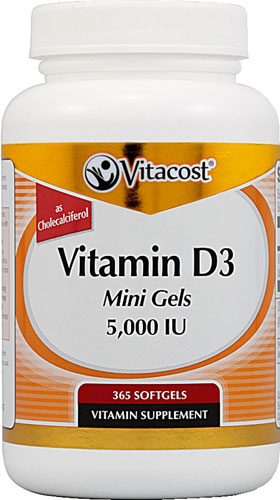
A big thank you to Ted Hutchinson (the chap who got me interested in Vitamin D in 2007) for bringing Vitacost to my attention. Their own-brand 5,000iu Vitamin D3 mini gelcaps product is somewhat cheaper than the Healthy Origins product that I've been using ($12.99 vs $14.99). Click http://www.vitacost.com/Referee?wlsrc=rsReferral&ReferralCode=3320491 when creating a Vitacost account, to get $10 discount on orders over $30.

As imports are liable to VAT + handling charges (usually £8) if the value exceeds £15, the lower price means that I can order two pots of 365 Mini Gels for less than £15.

P&P is slightly more expensive at $7.99 vs $4. Delivery takes about two weeks.

How care homes are starving their residents to death.

Now that I have your full attention (!), care & nursing homes give their residents plenty to eat & drink, so they are not starving them to death in the conventional sense.

So, what am I talking about? Clue:- UVB cannot penetrate window glass.

I'm talking about Vitamin D starvation.

At this time of year, care home residents are dying like flies. My sister (who worked in a care home years ago) told me that this is normal. Three died at mum's care home in the same week recently. All of the residents have one thing in common. They're all pale.

Old people feel the cold, so if they do go outside between March and September, they're covered from head to toe in clothes. They synthesise minimal Vitamin D in their skins for their bodies to store. Then, between September and March, their bodies use up those stores. Vitamin D levels decay exponentially , with a half-life of about 60 days. As Vitamin D levels fall, the risk of getting viral infections greatly increases, mood worsens, aches and pains worsen, blood glucose control worsens, the risk of getting cancer greatly increases. Need I go on?

As Dr. Richard M. Cooper (Private GP, Harley Street) pointed out, ALL of his patients were low in Vitamin D and they were active people who could go outdoors. Many care home residents can't go outdoors. They can get a paltry 400iu Vitamin D from an Adcal-D3 chewable tablet, but they're huge things that taste like sweetened chalk and cause constipation (mum hated them).

Death by Vitamin D starvation is a long, drawn-out process that reduces the quality & length of life for care home residents. Something needs to be done about it. All care home residents should have their serum Vitamin D levels tested and be given Vitamin D3 accordingly. I have broached this subject with the manager of mum's care home.

Mum's on 5,000iu/day of Vitamin D3. Although she is now fairly non compos mentis, she still smiles a lot and laughs at my dreadful jokes. She is also infection-free.

Here's the transcript of a YouTube video that's since been removed.
"At this care home, they're proud of their varied menu. Even so, the Government recommends supplements for the over 65's as well as children under 3 and women who are pregnant or breast-feeding. But health charities are demanding clearer guidelines and better advice. Because research into Vitamin D deficiency has revealed associations with all sorts of conditions, including Multiple Sclerosis, Diabetes, Arthritis, Osteoporosis, Heart Disease and even some cancers."

Dr Carrie Ruxton (Award-winning dietitian and health writer. Media commentator on diet, food and nutrition issues. Advisor to the food industry and government) said:-
"What I think the Government should do is promote its own policies. It had a policy for years to recommend Vitamin D supplementation for vulnerable groups, like elderly, housebound and pregnant & lactating women and children but at the moment, that's not being done. In my own example, I was pregnant twice and nobody told me to take Vitamin D supplements."

This is unacceptable. As the manager at mum's care home is not responsible for the residents' supplementation, I will be taking this up with the MP for the area.

Update: I spoke to the nurse on Friday 2nd March about mum's medical history. Before Vitamin D3, mum had a Urinary Tract Infection in the previous 9 months. Since Vitamin D3, mum has had no medical problems and she has been happy & contented. Her serum Vitamin D level is in the normal range.

You can’t please all of the people...

...all of the time. I see that I've lost a few followers recently. I guess some of my recent posts have been too controversial. The triple-whammy of bad things that happened last year (and which sent me into several months of depression) have all been resolved and my mood is now very positive.

I don't write posts to gain followers. I'm not trying to start a new religion. I write in order to dump my thoughts to hard copy so that I can go over them and also so that you can critique them.

I've just added Food Politics to my blog list. Marion Nestle writes about it, so I don't have to.

The usual suspects.

On Facebook, on message boards and in conversation, I often see and hear:-

1. I'm down in the Winter/I keep getting infections/I have allergies/I have aches & pains.

2. I'm up & down a lot.

3. I'm down/I'm anxious/I can't sleep/I get restless legs/cramps/menstrual cramps/muscle spasms/lung spasms/migraines.

4. I've got inflamed or painful joints/skin/guts/lungs/w.h.y.


1. Vitamin D insufficiency/deficiency is widespread by the end of Winter (~90% of people have serum 25(OH)D less than 75nmol/L or 30ng/mL) due to insufficient sun exposure (or sun exposure through glass) during the Summer. A safe & effective dose is 50iu of Vitamin D3 per kg weight per day. See Vitamin D.

2. Modern diets are lacking in long-chain omega-3 fatty acids (EPA & DHA), as many people don't eat any/enough oily fish. Tinned tuna is not an oily fish! See Omega-3 fatty acids and major depression: A primer for the mental health professional. Women of reproductive age can take flaxseed oil, if they can't/won't eat oily fish or take fish oil capsules. Women not of reproductive age & men need to supplement with vegan DHA in addition to flaxseed oil, if they can't/won't eat oily fish or take fish oil capsules.

3. Diets low in greens are low in magnesium. Excessive stress increases loss of magnesium in urine. Magnesium deficiency can cause all of the above symptoms. Epsom Salts are a very cheap source of Magnesium. 4g/day of Epsom Salts provides 400mg/day of Magnesium. See Magnesium and the Ketamine Connection , Magnesium and the Brain: The Original Chill Pill , and Magnesium: Just as important as Calcium.

4. Vitamin D and omega-3 fatty acids are anti-inflammatory.


Difficult-to-treat health problems such as depression are often multifactorial (with physiological AND psychological causes), so it's advisable to try 1. 2. and 3. (with your GP's consent). If you get improvement, you can discontinue supplements one at a time with a washout period of two months for 1. and 2. to see which supplement(s) was/were effective.

Here's a picture to go with the title.


And finally...
I'm so glad that I don't work with David Thorne.

Positive Feedback: How a tiny push can make all the difference.

As an ex-Electronic Engineer, I'm very familiar with the effects of Positive Feedback in electronic circuits. The Schmitt trigger is a classic example of a slowly-changing input resulting in a suddenly-changing output.


While I was chatting to another visitor in mum's nursing home yesterday, I had a "Eureka!" moment. I was talking to her about my sudden mood changes when the bleedin' obvious suddenly occurred to me.

When my mood starts to fall, I start doing less. This lowers my mood further. This forms a vicious circle and my mood suddenly falls to a low value and stays there, with me lying in bed/on the sofa feeling like crap and not blogging.

When my mood starts to rise, I start doing more. This raises my mood further. This forms a virtuous circle and my mood suddenly rises to a high value and stays there, with me walking, scrumping, photographing, Zumba-ing and blogging all about it.

So, do something that you think you can't do. You'll feel better for it!

F.A.O. anyone who links to my blog: The title has changed. It's now:-

Nige's Diet & Nutrition Blog
Diet, Nutrition & Fitness Information + Random stuff.

Please update your links. Thanks.

New beginnings.

Before I start posting on the above topic, mum turned 81 today! Here's a pic.

I made the card in the middle by getting one with 18 on it and modifying it!

I never thought she'd make it to 81. I recently persuaded the nursing home to give her cooked breakfasts instead of Ready Brek or toast, both of which would send her into a compensatory hyperinsulinaemic stupor. She was relatively with-it today after having bacon, egg etc. Coincidence? I think not! I'm also switching her bread to Burgen Soya & Linseed as it's low in carbohydrate and very low GI. Anyway, on with the post.

I need to give another "Thank You" to Richard Nikoley. His blog rocks! A Little bit of everything including Food Porn, but mostly Roger Waters & The Wall made me really think. It occurred to me that, to ease the pain of seeing my mother go downhill with me rendered powerless to help, I had built a wall and was comfortably numb behind it.

As Robert Sapolsky pointed out in his lecture on Depression, never-ending stress and social isolation are very bad. So I am "getting it sorted". I have resumed social activities and am tackling things that need to be tackled. See also Polite Requests.

Robert Sapolsky lectures.

Firstly, thanks to Richard Nikoley for posting links to a couple of lectures by the above Stanford Professor. I've watched three of Sapolsky's lectures so far and they've all been very interesting. Here are links to five of them.

The Uniqueness of Humans (37 mins)

Depression (52 mins)

Stress, Neurodegeneration and Individual Differences (1 hour 19 mins)

Toxoplasmosis (37 mins)

The Origin of Religion (9 mins + 10 mins)

I may be gone some time.

Vitamin D3: Studies from 2005 to present.

I had a rummage through PubMed looking for editorials, meta-studies & human Randomised Controlled Trials on Vitamin D and Vitamin D3 from 2005 to present. Here is a selection (mostly using reasonable doses) that weren't previously mentioned in my Vitamin D blog. They are, now!

The Role of Vitamin D in Cancer Prevention
Estimates of optimal vitamin D status.
Prevalence of Vitamin D inadequacy among postmenopausal North American women receiving osteoporosis therapy.
Fracture prevention with vitamin D supplementation: a meta-analysis of randomized controlled trials.
The re-emerging burden of rickets: a decade of experience from Sydney.
An excess of widespread pain among South Asians: are low levels of vitamin D implicated?
Vitamin D is associated with improved survival in early-stage non-small cell lung cancer patients.
Vitamin D and prevention of colorectal cancer.
Should older people in residential care receive vitamin D to prevent falls? Results of a randomized trial.
Effect of vitamin D replacement on musculoskeletal parameters in school children: a randomized controlled trial.
Effect of cholecalciferol plus calcium on falling in ambulatory older men and women: a 3-year randomized controlled trial.
Vitamin D supplementation improves cytokine profiles in patients with congestive heart failure: a double-blind, randomized, placebo-controlled trial.
Estimation of optimal serum concentrations of 25-hydroxyvitamin D for multiple health outcomes.
Risk factors for vitamin D inadequacy among women with osteoporosis: an international epidemiological study.
A system for improving vitamin D nutrition in residential care.
Impact of dietary and lifestyle on vitamin D in healthy student girls aged 11-15 years.
How much vitamin D3 do the elderly need?
Lower levels of plasma 25-hydroxyvitamin D among young adults at diagnosis of autoimmune type 1 diabetes compared with control subjects: results from the nationwide Diabetes Incidence Study in Sweden (DISS).
A meta-analysis of second cancers after a diagnosis of nonmelanoma skin cancer: additional evidence that solar ultraviolet-B irradiance reduces the risk of internal cancers.
Risk assessment for vitamin D.
Supplementation with calcium + vitamin D enhances the beneficial effect of weight loss on plasma lipid and lipoprotein concentrations.
Serum 25(OH)D levels, dietary intake of vitamin D, and colorectal adenoma recurrence.
The effects of calcium and vitamin D supplementation on blood glucose and markers of inflammation in nondiabetic adults.
Optimal vitamin D status for colorectal cancer prevention: a quantitative meta analysis.
A higher dose of vitamin d reduces the risk of falls in nursing home residents: a randomized, multiple-dose study.
Potentially modifiable determinants of vitamin D status in an older population in the Netherlands: the Hoorn Study.
Fracture prevention with vitamin D supplementation: considering the inconsistent results.
A prospective study of plasma vitamin D metabolites, vitamin D receptor polymorphisms, and prostate cancer.
The role of vitamin D and calcium in type 2 diabetes. A systematic review and meta-analysis.
A single dose of vitamin D enhances immunity to mycobacteria.
Does solar exposure, as indicated by the non-melanoma skin cancers, protect from solid cancers: vitamin D as a possible explanation.
Vitamin D intake and breast cancer risk in postmenopausal women: the Iowa Women's Health Study.
Vitamin D and calcium supplementation reduces cancer risk: results of a randomized trial.
Bone mineral density and bone markers in patients with a recent low-energy fracture: effect of 1 y of treatment with calcium and vitamin D.
Vitamin D deficiency in multicultural primary care: a case series of 299 patients.
Vitamin D supplementation and total mortality: a meta-analysis of randomized controlled trials.
Efficacy of different doses and time intervals of oral vitamin D supplementation with or without calcium in elderly nursing home residents.
Vitamin D status and response to Vitamin D(3) in obese vs. non-obese African American children.
Vitamin D and skin physiology: a D-lightful story.
Additive benefit of higher testosterone levels and vitamin D plus calcium supplementation in regard to fall risk reduction among older men and women.
Rapid correction of low vitamin D status in nursing home residents.
Effects of a long-term vitamin D and calcium supplementation on falls and parameters of muscle function in community-dwelling older individuals.
Prevalence of vitamin d insufficiency in patients with Parkinson disease and Alzheimer disease.
Exploration of association of 1,25-OH2D3 with augmentation index, a composite measure of arterial stiffness.
Vitamin D and prevention of colorectal adenoma: a meta-analysis.
The tolerability and biochemical effects of high-dose bolus vitamin D2 and D3 supplementation in patients with vitamin D insufficiency.
Administration of oral vitamin D induces cathelicidin production in atopic individuals.
Estimation of the dietary requirement for vitamin D in healthy adults.
Changes in 25-Hydroxyvitamin D3 to oral treatment with vitamin D3 in postmenopausal females with osteoporosis.
Vitamin D or hormone D deficiency in autoimmune rheumatic diseases, including undifferentiated connective tissue disease.
High-dose oral vitamin D3 supplementation in the elderly.
A double-blind, randomized, placebo-controlled trial of the short-term effect of vitamin D3 supplementation on insulin sensitivity in apparently healthy, middle-aged, centrally obese men.
Vitamin D deficiency in older men.
Serum vitamin D and risk of pancreatic cancer in the prostate, lung, colorectal, and ovarian screening trial.
Vitamin D supplementation during Antarctic winter.
Vitamin D insufficiency and treatment with oral vitamin D3 in northern-dwelling patients with chronic kidney disease.
Long-term effects of giving nursing home residents bread fortified with 125 microg (5000 IU) vitamin D(3) per daily serving.
Effects of vitamin D and calcium supplementation on markers of apoptosis in normal colon mucosa: a randomized, double-blind, placebo-controlled clinical trial.
Estimation of the dietary requirement for vitamin D in free-living adults >=64 y of age.
Vitamin D supplementation enhances the beneficial effects of weight loss on cardiovascular disease risk markers.
Plasma 25-hydroxyvitamin D concentration and metabolic syndrome among middle-aged and elderly Chinese individuals.
Meta-analysis: longitudinal studies of serum vitamin D and colorectal cancer risk.
Effect of vitamin D supplementation in the institutionalized elderly.
Calcitriol ointment 3 microg/g is safe and effective over 52 weeks for the treatment of mild to moderate plaque psoriasis.
Association between 25-hydroxyvitamin D levels and cognitive performance in middle-aged and older European men.
Low parathyroid hormone levels in bedridden geriatric patients with vitamin D deficiency.
Increased levels of 25 hydroxyvitamin D and 1,25-dihydroxyvitamin D after rosuvastatin treatment: a novel pleiotropic effect of statins?
Effect of vitamin D deficiency and replacement on endothelial function in asymptomatic subjects.
Vitamin D and depressive symptoms in women during the winter: a pilot study.
Treatment of vitamin D deficiency increases lower limb muscle strength in institutionalized older people independently of regular physical activity: a randomized double-blind controlled trial.
Vitamin D, parathyroid hormone and the metabolic syndrome in middle-aged and older European men.
Vitamin D supplementation reduces insulin resistance in South Asian women living in New Zealand who are insulin resistant and vitamin D deficient - a randomised, placebo-controlled trial.
Fall prevention with supplemental and active forms of vitamin D: a meta-analysis of randomised controlled trials.
Meta-analysis of vitamin D, calcium and the prevention of breast cancer.
Effects of vitamin d and calcium on proliferation and differentiation in normal colon mucosa: a randomized clinical trial.
Combination of alfacalcidol with calcium can improve quadriceps muscle strength in elderly ambulatory Thai women who have hypovitaminosis D: a randomized controlled trial.
Vitamin D(3) induces expression of human cathelicidin antimicrobial peptide 18 in newborns.
Levels of vitamin D and cardiometabolic disorders: systematic review and meta-analysis.
No significant effect on bone mineral density by high doses of vitamin D3 given to overweight subjects for one year.
Effects of supplemental vitamin D and calcium on oxidative DNA damage marker in normal colorectal mucosa: a randomized clinical trial.
Vitamin D levels, lung function, and steroid response in adult asthma.
Association between pre-diagnostic circulating vitamin D concentration and risk of colorectal cancer in European populations:a nested case-control study.
Pandemic preparedness for swine flu influenza in the United States.
Randomized trial of vitamin D supplementation to prevent seasonal influenza A in schoolchildren.
Vitamin D supplementation suppresses age-induced bone turnover in older women who are vitamin D deficient.
Suppression of C-terminal telopeptide in hypovitaminosis D requires calcium as well as vitamin D.
A phase I/II dose-escalation trial of vitamin D3 and calcium in multiple sclerosis.
Milk fortified with the current adequate intake for vitamin D (5 microg) increases serum 25-hydroxyvitamin D compared to control milk but is not sufficient to prevent a seasonal decline in young women.
Vitamin D-vitamin K interaction: effect of vitamin D supplementation on serum percentage undercarboxylated osteocalcin, a sensitive measure of vitamin K status, in Danish girls.
Vitamin D status and impact of vitamin D3 and/or calcium supplementation in a randomized pilot study in the Southeastern United States.
Calcium/vitamin D supplementation and coronary artery calcification in the Women's Health Initiative.
Circulating 25-hydroxyvitamin D and risk of pancreatic cancer: Cohort Consortium Vitamin D Pooling Project of Rarer Cancers.*
A 16-week randomized clinical trial of 2000 international units daily vitamin D3 supplementation in black youth: 25-hydroxyvitamin D, adiposity, and arterial stiffness.
The effect of narrowband UV-B treatment for psoriasis on vitamin D status during wintertime in Ireland.
Effects of vitamin D supplementation to children diagnosed with pneumonia in Kabul: a randomised controlled trial.
Dairy calcium intake, serum vitamin D, and successful weight loss.
Atorvastatin increases 25-hydroxy vitamin D concentrations in patients with polycystic ovary syndrome.
A randomized controlled trial of the effects of vitamin D on muscle strength and mobility in older women with vitamin D insufficiency.
Serum 25-hydroxyvitamin D concentration is associated with functional capacity in older adults with heart failure.
Effect of vitamin D supplementation on testosterone levels in men.
Vitamin D production depends on ultraviolet-B dose but not on dose rate: a randomized controlled trial.
Vitamin D(3) is more potent than vitamin D(2) in humans.
Nutrients and foods for the primary prevention of asthma and allergy: systematic review and meta-analysis.
High-dose vitamin D(3) during intensive-phase antimicrobial treatment of pulmonary tuberculosis: a double-blind randomised controlled trial.
Circulating 25-hydroxyvitamin D levels and frailty in older men: the osteoporotic fractures in men study.
Association of low serum 25-hydroxyvitamin D levels and mortality in the critically ill.
Effects of vitamin D supplementation on 25-hydroxyvitamin D, high-density lipoprotein cholesterol, and other cardiovascular disease risk markers in subjects with elevated waist circumference.
Changes in balance, functional performance and fall risk following whole body vibration training and vitamin D supplementation in institutionalized elderly women. A 6 month randomized controlled trial.
Diet induced thermogenesis, fat oxidation and food intake following sequential meals: influence of calcium and vitamin D.
The response of elderly veterans to daily vitamin D3 supplementation of 2,000 IU: a pilot efficacy study.
Meta-analysis: Circulating vitamin D and ovarian cancer risk.
Relation of vitamin D level to maximal oxygen uptake in adults.
Vitamin D status in patients with stage IV colorectal cancer: findings from Intergroup trial N9741.
Circulating levels of vitamin D and colon and rectal cancer: the Physicians' Health Study and a meta-analysis of prospective studies.
Burning daylight: balancing vitamin D requirements with sensible sun exposure.
Relationships between vitamin D status and cardio-metabolic risk factors in young European adults.
Latitude is significantly associated with the prevalence of multiple sclerosis: a meta-analysis.
Vitamin D status and early age-related macular degeneration in postmenopausal women.
Vitamin D and clinical disease progression in HIV infection: results from the EuroSIDA study.
Annual high-dose vitamin D3 and mental well-being: randomised controlled trial.
Vitamin D status and outcomes in heart failure patients.
The impact of vitamin D status on periodontal surgery outcomes.
The role of paricalcitol on proteinuria.
Effects of weight loss on serum vitamin D in postmenopausal women.
Vitamin D status and mortality risk in CKD: a meta-analysis of prospective studies.
Vitamin D intake and risk of cardiovascular disease in US men and women.
Meta-analysis: Serum vitamin D and colorectal adenoma risk.
Calcium plus vitamin D supplementation and the risk of nonmelanoma and melanoma skin cancer: post hoc analyses of the women's health initiative randomized controlled trial.
Effects of vitamin D and calcium supplementation on pancreatic β cell function, insulin sensitivity, and glycemia in adults at high risk of diabetes: the Calcium and Vitamin D for Diabetes Mellitus (CaDDM) randomized controlled trial.
Vitamin D supplementation for prevention of mortality in adults.
The effect of calcium plus vitamin D on risk for invasive cancer: results of the Women's Health Initiative (WHI) calcium plus vitamin D randomized clinical trial.
New clinical trials with vitamin D and analogs in renal disease.
The relation between vitamin D deficiency and fibromyalgia syndrome in women.
Interventions for latent autoimmune diabetes (LADA) in adults.
Calcium and vitamin D supplementation is associated with decreased abdominal visceral adipose tissue in overweight and obese adults.
Effect of vitamin D supplementation on muscle strength, gait and balance in older adults: a systematic review and meta-analysis.
Vitamin D3 and the risk of CVD in overweight and obese women: a randomised controlled trial.
Low 25-hydroxyvitamin D is associated with increased mortality in female nursing home residents.
Improvement of vitamin D status resulted in amelioration of biomarkers of systemic inflammation in the subjects with type 2 diabetes.
Vitamin D supplementation in infants with chronic congestive heart failure.
Vitamin D reduces musculoskeletal pain after infusion of zoledronic acid for postmenopausal osteoporosis.
Consumption of vitamin D-and calcium-fortified soft white cheese lowers the biochemical marker of bone resorption TRAP 5b in postmenopausal women at moderate risk of osteoporosis fracture.
Vitamin D improves viral response in hepatitis C genotype 2-3 naïve patients.
Vitamin D supplementation in the treatment of atopic dermatitis: a clinical trial study.
Effect of vitamin D repletion on urinary calcium excretion among kidney stone formers.
25-Hydroxyvitamin D levels and the risk of stroke: a prospective study and meta-analysis.
Improvement of vitamin D status via daily intake of fortified yogurt drink either with or without extra calcium ameliorates systemic inflammatory biomarkers, including adipokines, in the subjects with type 2 diabetes.
Treatment of vitamin D insufficiency in children and adolescents with inflammatory bowel disease: a randomized clinical trial comparing three regimens.
Therapeutic effects of calcium & vitamin D supplementation in women with PCOS.
Higher vitamin D dietary intake is associated with lower risk of alzheimer's disease: a 7-year follow-up.
Vitamin D3 supplementation at 4000 international units per day for one year results in a decrease of positive cores at repeat biopsy in subjects with low-risk prostate cancer under active surveillance.
Comparison of narrowband ultraviolet B exposure and oral vitamin D substitution on serum 25-hydroxyvitamin D concentration.
The relation between sunscreen layer thickness and vitamin D production after ultraviolet B exposure: a randomized clinical trial.
Circulating 25-hydroxyvitamin D concentration and the risk of type 2 diabetes: results from the European Prospective Investigation into Cancer (EPIC)-Norfolk cohort and updated meta-analysis of prospective studies.
Vitamin D3 therapy corrects the tissue sensitivity to angiotensin ii akin to the action of a converting enzyme inhibitor in obese hypertensives: an interventional study.
The effect of combined calcium and cholecalciferol supplementation on bone mineral density in elderly women with moderate chronic kidney disease.
Comparison of vitamin D2 and vitamin D3 supplementation in raising serum 25-hydroxyvitamin D status: a systematic review and meta-analysis.
Relative effectiveness of oral 25-hydroxyvitamin D3 and vitamin D3 in raising wintertime serum 25-hydroxyvitamin D in older adults.
Vitamin D supplementation and depression in the women's health initiative calcium and vitamin D trial.
Vitamin D with calcium reduces mortality: patient level pooled analysis of 70,528 patients from eight major vitamin D trials.
An open label, randomized controlled study of oral calcitriol for the treatment of proteinuria in patients with diabetic kidney disease.
Ergocalciferol from mushrooms or supplements consumed with a standard meal increases 25-hydroxyergocalciferol but decreases 25-hydroxycholecalciferol in the serum of healthy adults.
Narrowband ultraviolet B three times per week is more effective in treating vitamin D deficiency than 1600 IU oral vitamin D₃ per day: a randomized clinical trial.
Vitamin D intake is inversely related to risk of developing metabolic syndrome in African American and white men and women over 20 y: the Coronary Artery Risk Development in Young Adults study.
Vitamin D and gestational diabetes: a systematic review and meta-analysis.
Associations between 25-hydroxyvitamin D and weight gain in elderly women.
Effect of cholecalciferol as adjunctive therapy with insulin on protective immunologic profile and decline of residual β-cell function in new-onset type 1 diabetes mellitus.
A pooled analysis of vitamin D dose requirements for fracture prevention.
Determinants and effects of vitamin D supplementation on serum 25-hydroxy-vitamin D levels in patients with rheumatoid arthritis.
Vitamin D is a major determinant of bone mineral density at school age.
Effect of vitamin D and inhaled corticosteroid treatment on lung function in children.
Serum 25-hydroxyvitamin D3 and D2 and non-clinical psychotic experiences in childhood.
Vitamin D deficiency in postmenopausal, healthy women predicts increased cardiovascular events: a 16-year follow-up study.
Randomized trial of vitamin D supplementation and risk of acute respiratory infection in Mongolia.
25-hydroxyvitamin d levels and risk of ischemic heart disease, myocardial infarction, and early death: population-based study and meta-analyses of 18 and 17 studies.
Association of low serum 25-hydroxyvitamin D levels and acute kidney injury in the critically ill.
A 12-week double-blind randomized clinical trial of vitamin D₃ supplementation on body fat mass in healthy overweight and obese women.
Circulating 25-hydroxy-vitamin D and risk of cardiovascular disease: a meta-analysis of prospective studies.
Relation of severe deficiency of vitamin D to cardiovascular mortality during acute coronary syndromes.
Vitamin D reduces left atrial volume in patients with left ventricular hypertrophy and chronic kidney disease.
Interventions for preventing falls in older people in care facilities and hospitals.
Vitamin D and risk of death from vascular and non-vascular causes in the Whitehall study and meta-analyses of 12,000 deaths.
Calcium plus vitamin D3 supplementation facilitated fat loss in overweight and obese college students with very-low calcium consumption: a randomized controlled trial.
Randomized controlled trial of vitamin D supplement on endothelial function in patients with type 2 diabetes.
Effect of vitamin D supplementation on progression of knee pain and cartilage volume loss in patients with symptomatic osteoarthritis: a randomized controlled trial.
Lipoprotein lipase links vitamin D, insulin resistance, and type 2 diabetes: a cross-sectional epidemiological study.
The effect of different doses of vitamin D supplementation on insulin resistance during pregnancy.
Vitamin D and dental caries in controlled clinical trials: systematic review and meta-analysis.
Vitamin D deficiency and depression in adults: systematic review and meta-analysis.
Improving the vitamin D status of vitamin D deficient adults is associated with improved mitochondrial oxidative function in skeletal muscle.
Low 25-OH vitamin D is associated with benign prostatic hyperplasia.
Correcting vitamin D insufficiency improves insulin sensitivity in obese adolescents: a randomized controlled trial.
Vitamin D levels in Alzheimer's and Parkinson's diseases: a meta-analysis.
Supplemental vitamin D and physical performance in COPD: a pilot randomized trial.
Vitamin D and risk of future hypertension: meta-analysis of 283,537 participants.
Randomized clinical trial of vitamin D3 doses on prostatic vitamin D metabolite levels and ki67 labeling in prostate cancer patients.
Randomized, double-blind, placebo-controlled trial of vitamin D supplementation in Parkinson disease.
Anti-inflammatory effect of vitamin D on gingivitis: a dose-response randomised control trial.
Role of vitamin D in children with respiratory tract infection.
Effect of vitamin D supplementation and ultraviolet B exposure on serum 25-hydroxyvitamin D concentrations in healthy volunteers: a randomized, crossover clinical trial.
Vitamin D and multiple sclerosis: what is the clinical impact?
Is hypovitaminosis D associated with abdominal aortic aneurysm, and is there a dose-response relationship?
Plasma vitamin D levels, menopause, and risk of breast cancer: dose-response meta-analysis of prospective studies.
Impact of vitamin D on chronic kidney diseases in non-dialysis patients: a meta-analysis of randomized controlled trials.
Serum 25-hydroxyvitamin D levels and the risk of depression: a systematic review and meta-analysis.
The effect of vitamin D-related interventions on multiple sclerosis relapses: a meta-analysis.
Vitamin D status and physical function in nursing home residents: a 1-year observational study.
Maternal vitamin D status and risk of pre-eclampsia: a systematic review and meta-analysis.
Meta-analysis: vitamin D and non-alcoholic fatty liver disease.
Serum 25-hydroxyvitamin D and breast cancer risk: a meta-analysis of prospective studies.
Treatment with oral active vitamin D is associated with decreased risk of peritonitis and improved survival in patients on peritoneal dialysis.
Vitamin D supplementation affects serum high-sensitivity C-reactive protein, insulin resistance, and biomarkers of oxidative stress in pregnant women.
The role of vitamin D supplementation in the risk of developing pneumonia: three independent case-control studies.
Short-term vitamin D3 supplementation lowers plasma renin activity in patients with stable chronic heart failure: an open-label, blinded end point, randomized prospective trial (VitD-CHF trial).
Vitamin D and psychosis: mini meta-analysis.
Meta-analysis of memory and executive dysfunctions in relation to vitamin D.
Vitamin D intake and lung cancer risk in the Women's Health Initiative.
Association of low serum 25-hydroxyvitamin D levels and sepsis in the critically ill.
Vitamin D favorably alters the cancer promoting prostaglandin cascade.
Vitamin D intake and risk of type 1 diabetes: a meta-analysis of observational studies.
Effect of vitamin D supplementation on antibiotic use: a randomized controlled trial.
Effects of vitamin D supplementation on glucose metabolism, lipid concentrations, inflammation, and oxidative stress in gestational diabetes: a double-blind randomized controlled clinical trial.
Improvement in high-density lipoprotein cholesterol levels in argentine Indian school children after vitamin D supplementation.
Vitamin D supplementation for prevention of mortality in adults.
Beneficial role for supplemental vitamin D3 treatment in chronic urticaria: a randomized study.
Vitamin D3 supplementation during weight loss: a double-blind randomized controlled trial.
Vitamin D and risk of cause specific death: systematic review and meta-analysis of observational cohort and randomised intervention studies.


*See Vitamin D and UV fluctuations for an explanation.

Phew! That's a bit more than I expected.

If you fancy doing a search yourself, click on PubMed.

Guess who didn't look after his brain?

Due to the sudden deterioration in my mum's physical & mental health and also due to struggling to come to terms with her having to spend the rest of her life in a nursing home (not the happiest of places), my diet went completely to pot.

I "went off" salmon, sardines & powdered linseeds and started to eat carbohydrate/fat-based comfort foods. A black cloud slowly descended over me. I lost the motivation to do anything, including updating this blog. I also slept a lot. This continued for several months.

Then, for no apparent reason, a few weeks ago I got an urge to eat smoked salmon. I added 200g of smoked salmon twice a week back into my diet and after a few weeks, the black cloud started to lift.

Before I started supplementing with Vitamin D3, I used to eat lots of oily fish but did not function correctly mentally. This time, my Vitamin D3 status was good (I never stopped taking supplements even when I had the black cloud over me) but my EPA (Eicosapentaenoic Acid) and DHA (Docosahexaenoic Acid) intakes were near zero.

In conclusion, it would appear that my brain needs adequate Vitamin D3 and EPA and DHA (and magnesium) to function correctly.

I won't be blogging as much as I have been previously, as I've now dumped the vast majority of the nutritional knowledge within my brain into this blog. If I come across anything new, I'll post it here.

Finally, I've found the cheapest source yet of 5,000iu Vitamin D3 gelcaps.

The Protein-Sparing Modified Fast (PSMF)


What's a PSMF?

A standard PSMF is ~1g of protein for every kg bodyweight per day plus lots of green leafy vegetables plus six to ten fish oil capsules per day plus vitamin & mineral supplements plus unlimited water AND NOTHING ELSE. It's a low-carbohydrate and low-fat diet. You may find this quite literally hard to swallow! PSMF may also stand for Protein Strictly , Mother-F***er!

A 100kg person (e.g. me) may get to eat ~400kcals per day from protein + ~100kcals per day from incidental carbohydrates & fats = ~500kcals per day. Hear that rumbling noise? It's my tummy! A well-known PSMF is Lyle McDonald's Rapid Fat Loss Handbook.

For more information, see http://forums.lylemcdonald.com/forumdisplay.php?f=7 and Is Rapid Fat Loss Right For You?

To make a PSMF easier to manage (but have a slower rate of weight loss), here are some modifications:-

1) Instead of six to ten fish oil capsules a day, stir ~25g of powdered linseeds into a large glass of drink and swallow the lot. Do this at breakfast-time. ~25g of linseeds contains ~10g of fat (of which ~6g is Alpha-Linolenic Acid, an omega-3 fatty acid) which does the following:-

a) It stimulates the gall-bladder to empty, thus reducing the risk of gallstones.
b) a) usually results in a bowel movement some time later. The ~10g of soluble fibre/fiber in the linseeds + accompanying fluid guarantees regularity.
c) It provides women (but not men) with all of the omega-3 fat they need each day.

Men need to eat either half a 213g tin of wild red salmon per day, or take six to ten fish oil capsules a day, as their bodies don't produce enough DHA from Alpha-Linolenic Acid. See Eicosapentaenoic and docosapentaenoic acids are the principal products of α-linolenic acid metabolism in young men and  Extremely Limited Synthesis of Long Chain Polyunsaturates in Adults: Implications for their Dietary Essentiality and use as Supplements

2) Eat about 100g of protein per day. As meat, poultry & fish contains 20-25% protein, this means that you can eat ~1lb of meat, poultry & fish a day. 100g of protein per day is well within the capabilities of your liver and kidneys.

3) Eat about 44g of fat per day. This allows you to choose less lean cuts of meat & poultry and you can even eat the skin on chicken as long as you factor it into your total fat allowance. It also allows you to use vinaigrette salad dressings or a small knob of butter or a small dollop of real mayonnaise to make your vegetables taste nicer.

4) Eat about 50g of carbohydrate per day. This allows you to eat shed-loads of leafy green vegetables and also an onion. It also allows you to eat a portion of fruit e.g. an apple or a bowl of berries/cherries with Splenda & a small dollop of whipped cream each day.

5) If you do any intense exercise (e.g. HIIT or resistance training with weights), eat an extra 50g of slow-release carbohydrates a couple of hours beforehand, to fuel it.

6) Supplement with 5,000iu/day of Vitamin D3. Nowadays, many of us spend our lives mostly indoors, and this causes many of us to become deficient in Vitamin D. See Vitamin D.

7) Don't get too far away from a toilet. Rapid depletion of muscle & liver glycogen results in rapid shedding of associated water. In addition, the oxidation of fatty acids results in the production of water. A PSMF will make you pee more.

n*CH2 + 3/2*n*O2 = n*CO2 + n*H2O + heat

Saturated fatty acids are CH3-n*CH2-COOH. For Stearic acid, n=16. ∴ Stearic acid is mostly n*CH2. 


In conclusion:

100g of protein provides 400kcals, 44g of fat provides 400kcals and 50g of carbohydrate provides 200kcals, making a grand total of 1,000kcals per day. Hopefully, this will be enough to stop your tummy from rumbling. If you weigh over 100lbs but aren't losing weight on 1,000kcals per day, see your GP as you may have a thyroid problem.

I believe that the above diet tackles the problems of gallstones, constipation, dry skin, dry hair, depression and dietary deficiencies. You get to eat real food and quite a lot of it too, for a fairly rapid fat loss diet.

Very Low Calorie Diets (VLCDs)

A well-known VLCD is The Cambridge Diet. Lighter Life is another VLCD.

The VLCD is, as its name suggests, very low in Calories and is aimed at morbidly obese people i.e. people who have a Body Mass Index (BMI) of over 40. Such people are at a very high risk of dropping dead of a heart attack and they are also at a high risk of complications caused by high blood pressure, high blood glucose, high blood triglycerides, high blood cholesterol, high blood LDL-c, low blood HDL-c and high blood uric acid. In addition, morbidly obese people have breathing problems e.g. sleep apnoea and they are also at a high risk of dying while under anaesthetic if they need to be operated on. Such people need to lose weight rapidly. However, people who are overweight (BMI 25-29.9) or obese (BMI 30-39.9) or who are just unhappy with their bodies should not embark on a VLCD as the risks outweigh the benefits.

1) VLCDs result in rapid weight loss. You may think that this is a good thing, but rapid weight loss brings with it problems.

a) Excessive loss of muscle. This is more of a problem for women who, because they have naturally-low testosterone levels, have great difficulty regaining any lost muscle.

b) High risk of developing Gallstones. Rapid weight loss results in an increase in the concentration of cholesterol in bile. This increases the risk factor for gallstones, something that women have a higher risk factor for than men. There's an acronym FFFF for people who are at a high risk of developing gallstones. It stands for Female, Forty, Fat, Fair. What makes the situation even worse is that VLCDs are very low in fat. The gallbladder is a muscular bag which stores bile. When dietary fat is eaten, this stimulates the secretion of cholecystokinin, which then stimulates contraction of the gallbladder muscle, which expels bile from inside the gallbladder into the duodenum. The lower the fat content of a meal, the less the gallbladder contracts and gallbladder stasis can result with only 2g of fat per meal. See The role of gallbladder emptying in gallstone formation during diet-induced rapid weight loss. The problem with this study is that the two groups of subjects were not eating the same number of calories. See Gallbladder motility and gallstone formation in obese patients following very low calorie diets. Use it (fat) to lose it (well) and Similarity in gallstone formation from 900 kcal/day diets containing 16 g vs 30 g of daily fat: evidence that fat restriction is not the main culprit of cholelithiasis during rapid weight reduction.
In these studies, both groups were on the same calorie intake. In the second study, 17% of the low-fat group developed gallstones whereas only 11.2% of the higher-fat group developed gallstones.

The other problem with a very low fat intake is EFA deficiency. Essential Fatty Acids are called that for a reason....they are essential for us to live. Dry skin & hair are common on VLCDs. The small amount of fat that there is in a VLCD almost certainly contains mostly omega-6 polyunsaturates. A lack of omega-3 EFAs can adversely affect mental function. Depression is common on VLCDs. See Omega-3 fatty acids and major depression: A primer for the mental health professional. Another problem with very low fat intakes is a lack of fat-soluble vitamins, particularly Vitamins D3 and K. See Vitamin D and Vitamin K.

2) VLCDs contain excessive amounts of sugars. This has two problems.

a) Unstable blood glucose levels. See Blood Glucose, Insulin & Diabetes. You don't notice peaks in blood glucose. However, dips cause severe hunger pangs and, in some people, neurosis. See Hypoglycemia & Neurosis.

b) Carbohydrates fill glycogen stores. As glycogen stores become filled, fat-burning decreases. When glycogen stores become full, fat-burning falls to zero. Fat-burning increases again as glycogen stores deplete between meals - but you feel hungry.

Sedentary people's bodies don't burn much carbohydrate. See Everyone is Different. At rest, on average a fasted person derives ~65% of energy from fats and ~35% from carbohydrate, although there are extremes of 93% fat-burning to 20% fat-burning. Even if someone who has full glycogen stores derives 100% of their energy at rest from carbohydrate, as they are only burning ~1kcal/minute at rest, their body is only burning 0.25g of carbohydrate/minute. So why feed someone carbohydrate when their body doesn't need it?

c) People with excess belly fat almost certainly have The Metabolic Syndrome. This causes various problems including high serum triglycerides (TGs). Eating carbohydrate that isn't burned and can't be stored raises TGs. I know about this as I have blood test results which showed TGs increasing with increasing carbohydrate intake. High TGs are bad news for your arteries. See Cholesterol And Coronary Heart Disease.

3) VLCDs don't contain enough protein. Protein supplies Amino Acids (AAs) to the body. These are used to preserve muscle mass. AAs can also be used to generate blood glucose in the liver by a process called Gluconeogenesis (GNG), which makes the consumption of carbohydrates redundant for most sedentary people.

4) VLCDs don't contain enough fibre/fiber. Constipation is common on VLCDs.

In my next Blog post, I will discuss a Rapid Fat Loss alternative to the VLCD that overcomes all of the above problems and is therefore much safer and more pleasant to be on. See The Protein-Sparing Modified Fast (PSMF)

For a discussion of VLCDs, see What do you think of Very Low Energy Diets?

Magnesium: Just as important as Calcium.

Suffering from depression/anger/aggression/anxiety? Can't get to sleep? Suffering from night cramps, restless legs, menstrual cramps, muscle spasms? You're probably deficient in magnesium. See A case of oesophageal spasm, and the ‘unproven’ treatment that helped it and Around the Web; and Menstrual Cramp Remedy.

After Vitamin D and Omega-3 fats, magnesium is the third thing that people are most likely to be deficient in. Processed foods are low in magnesium. Diets low in green vegetables are low in magnesium, as chlorophyll has magnesium at the centre of the molecule. For a list of the 999 richest sources of magnesium per 100g serving, see http://nutritiondata.self.com/foods-000120000000000000000-w.html. Too much calcium can result in a relative magnesium deficiency.

An optimum intake of magnesium is approximately 50% of your calcium intake. Other sources of magnesium are Milk of Magnesia (magnesium hydroxide) and Epsom Salts (magnesium sulphate heptahydrate). Excessive intake of magnesium salts acts as an osmotic laxative and gives you soft stools, but it takes quite a lot to do this. Half a level teaspoonful (~4g) of Epsom Salts gives you ~400mg of magnesium. Epsom Salts is as cheap as chips.

Magnesium is also available as a dietary supplement. Magnesium oxide (Magnesia) isn't as well-absorbed as magnesium citrate/amino acid chelate, so take extra if using oxide. See Magnesium bioavailability from magnesium citrate and magnesium oxide. Magnesium can be absorbed through the skin, so adding Epsom Salts or Magnesium Chloride to your bathwater is another option.

6.1.15. New article: Magnesium in Man: Implications for Health and Disease.

See also The usual suspects.